
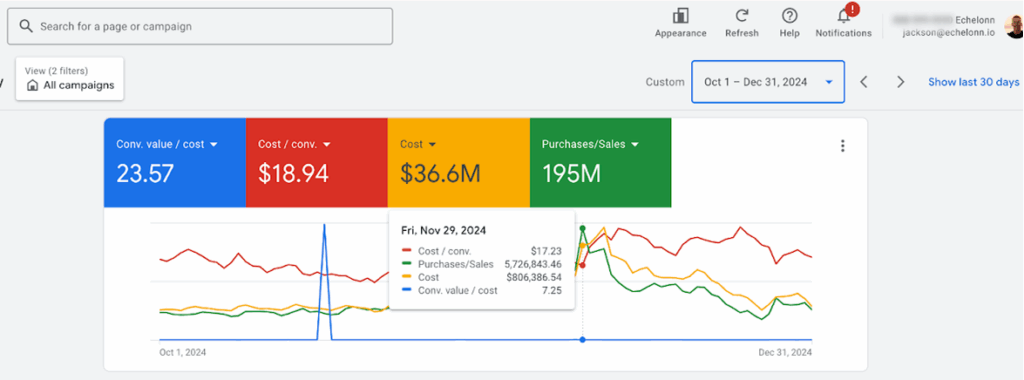
TL;DR: Most DTC brands use outdated Google Ads strategies for BFCM, leading to poor results. Success in Q4 depends on five key areas: scalable campaign structure, budget plans that protect ROAS during high spending, effective Merchant Center tactics, adaptable ad copy, and retargeting strategies that generate profit. My team and I have generated over $195M in Q4 revenue for more than 100 brands by focusing on these details.
1. Should We Launch New Campaigns for BFCM or Just Optimize What’s Running?
The worst move in Q4 is treating BFCM like a fresh campaign buildout. You don’t have time for learning phases, and new campaigns competing with established ones.
For Search and Shopping:
The brands my team scaled profitably didn’t start new campaigns altogether. We leaned on optimizing what was already working:
- Used Google’s scheduled headlines feature to layer BFCM messaging on top of evergreen copy
- Created BFCM-specific product bundles with dedicated landing pages
- Injected promotions directly into product titles, searchers type “Black Friday [product]” and you lose clicks if your feed doesn’t match
For Performance Max:
We tested this across 100+ brands: launching separate pMax campaigns for BFCM creates volatility.
Instead we like to, create time-based asset groups within existing pMax campaigns:
- “Early Bird” asset group (Oct 25 – Nov 20): Messaging focused on beating the rush
- “Black Friday” asset group (Nov 21-29): Psychology for that specific day
- “Cyber Monday” asset group (Nov 29 – Dec 2): Fresh angle for final push
- “Last Chance” asset group (Dec 2-9): Scarcity-driven copy for late buyer
Google’s AI responds dramatically better to specialized, time-based asset groups during high-competition periods.
Similar to how email segmentation drives better engagement, your ad creative should match where customers are in the buying journey.
One Exception: Demand Gen for List Building
So for the main conversion drivers, we optimize. But if you want the best results we do recommend rolling out 1 fresh type of campaign.
Run Demand Gen campaigns 2-3 weeks before BFCM to build warm audiences. Set up early-access landing pages, capture emails, retarget when your sale goes live.
Then during BFCM, launch video ads:
Launch a separate campaign with the Reach objective with 6-15 second non-skippable ads hitting only warm audiences. While competitors burn budget fighting for expensive placements, you’re buying cheap reach inventory.
On YouTube no need to pause campaigns, just keep them running and just change copy on YT for BFCM, no need to throw away the creatives that are already working for you.
Similar to Meta, keep evergreen add BFCM on top.
Summary: Don’t rebuild. Optimize your existing structure and use new campaigns only for list-building plays that feed your retargeting engine.
2. What’s the Best Approach for Budgets and Bids during BFCM for Google ads?
Arrive with Targets Already Set
When preparing for BFCM, set tCPA and tROAS targets in Google Ads based on your historical data. Check last year if you have the data. Check recent months. Use this to find targets that are realistic but challenging to Google and your brand.
Budgeting:
If you target a 2x ROAS and typically spend $1,000/day, allocate a budget of $4,000 or more. This provides Google’s algorithm with sufficient room to spend during the BFCM volume spike, knowing it can still achieve a 2x ROAS at scale.
For campaigns without set targets, such as YouTube campaigns, you will need to manually adjust the budget. When scaling, focus on analyzing the data, adopt strategies similar to those you use on Meta for this.
Key takeaway: Scaling works if your margin math holds and your account is prepped for volume. If you’re waiting until November to figure that out, you’re behind
3. What’s the Right Play for Merchant Center During BFCM?
GMC Promotions Are Non-Negotiable
If your shopping ads don’t have an offer badge during BFCM, you’re invisible.
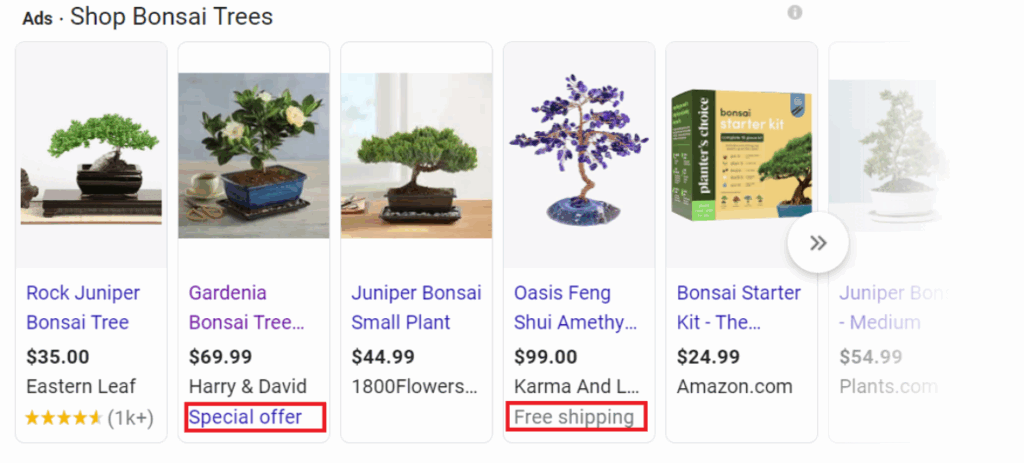
How to Set Up GMC Promotions:
Navigate to Merchant Center → Marketing → Promotions and create layered offers:
- Core discount (e.g., “20-50% Off Sitewide”) for broad appeal
- Threshold offers (e.g., “Free shipping over $100”) to lift AOV
- BOGO or bundles for high-margin products
Critical setup details:
- Use promo codes when possible (minimizes rejection risk)
- Title must match what happens at checkout (Google is strict)
- Set specific start/end dates aligned with BFCM timeline
- Apply promotions sitewide or filter by product type
Shopping Experience Scorecard
Check your Shopping Experience Scorecard (under Growth in Merchant Center) across:
- Shipping experience
- Returns experience
- Purchase experience
- Ratings
Hitting “Exceptional” status gives you a quality badge on organic listings (boosts CTR) and higher rankings in paid Shopping results.
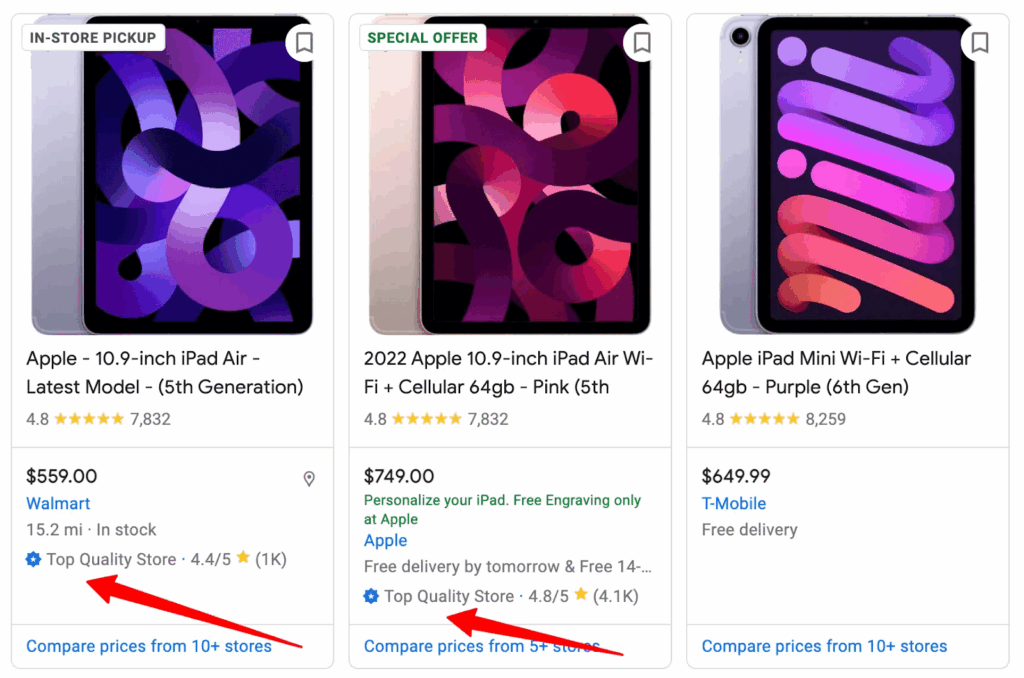
Even 7-9 figure brands I audit have basic issues here: incorrect shipping times, missing return policies, limited payment options. All fixable in a week.
I’ve covered this extensively in our BFCM Media buying playbook, where we break down the optimization tactics we use.
4. How Do We Actually Manage Search Ad Copy During BFCM?
The old way was brutal: create BFCM ads, pause evergreen ads, manually swap everything back, then spend February finding forgotten “Black Friday 50% Off” headlines.
Google fixed this with scheduled headlines and descriptions for Search Campaigns, and almost no one uses it correctly.
How Scheduled Assets Work:
- Assets → “+” → “Headline” or “Description”
- Write BFCM copy (e.g., “Black Friday Sale – 50% Off”)
- Pin to Position 2 (prioritizes over evergreen)
- Schedule start (Nov 15) and end date (Dec 2)
- Apply across all campaigns
Google automatically shows BFCM headlines during scheduled dates, then removes them. No manual toggling.
Don’t run the same message from November 1 to December 9. Customer psychology shifts.
Some ideas to help you guys:
Pre-BFCM (Nov 1-14):
- Regular value messaging
- Price extensions: Show regular prices (establishes anchoring)
- Promotional extensions: “Black Friday savings coming soon”
BFCM Launch (Nov 15-28):
- “Black Friday Sale – 50% Off” / “Limited Time – Huge Savings”
- Price extensions: Sale prices with savings indicators
- Promotional extensions: “Black Friday – 48 Hours Only”
Cyber Monday (Nov 29 – Dec 2):
- “Cyber Monday Final Hours”
- Aggressive time-sensitive messaging
Post-BFCM (Dec 2-9):
- “Final Hours” / “Last Chance Savings”
- Callouts: “Sale Ends Tonight” / “Limited Stock”
Layer in promotion extensions, sitelinks to BFCM landing pages, updated price extensions, urgency callouts, and “Black_Friday” in display paths.
5. Where Does Retargeting Fit Post-BFCM?
We approach this with Three Audience-Building Approaches (Start in October):
1. Website Visitors (Beyond Default 30-Day Lists)
Create specific audiences in GA4:
- Cart abandoners from BFCM week
- Product page visitors who didn’t buy
- High-intent visitors (3+ minutes, 5+ pages viewed)
- Date-specific audiences (Nov 20-30 visitors)
Segmented lists let you match messages to behavior. Someone who abandoned a $200 cart needs something different than someone who browsed 20 seconds.
2. Customer Match Lists (Email Uploads)
Upload CRM segments:
- High-value customers (top 20% by revenue) → Push premium offers
- Cart abandoners → “Complete your order” messaging
- BFCM subscribers who didn’t buy → Retarget post-sale
- Existing customers → Exclude from acquisition campaigns
3. YouTube Channel Audiences for Video Campaigns
Link your channel, or better link your influencers’ channels,l and create lists for:
- Channel subscribers
- People who watched specific videos
- People who viewed your video ads
- YouTube viewers from specific date ranges
The Post-BFCM Retargeting Strategy
After Cyber Monday, competition drops. CPMs fall. But you’re sitting on warm audiences primed to buy.
Our typical timeline and gameplan:
- Pre-BFCM: Run Demand Gen for list building
- During BFCM: Hit audiences with 6-15 second non-skippable video ads
Post-BFCM: Reallocate heavy budget to retargeting
Why These Questions Actually Matter
Every brand heading into BFCM faces rising CPMs, shrinking margins, and the risk that one execution mistake kills your biggest revenue week.
The difference between brands that crush Q4 and those that just survive isn’t luck. It’s whether you’ve stress-tested systems before chaos hits, or you’re making it up under pressure.
These five execution details determine whether Q4 ends in record revenue or an emergency CFO call in December:
- Campaign structure that scales without volatility
- Budget frameworks that protect ROAS at 10-15× spend
- Merchant Center plays that make shopping ads convert
- Copy systems that adapt throughout the season
- Retargeting strategies that turn warm audiences into post-BFCM profit
FAQ
Q: Should I create new Performance Max campaigns specifically for BFCM?
No. Launching separate pMax campaigns creates volatility and forces the algorithm to relearn. Instead, create specialized asset groups within your existing campaigns (Early Bird, Black Friday, Cyber Monday, Last Chance). This gives Google multiple tools to match the right message to the right moment without competing campaign structures.
Q: When should I start scaling my Google Ads budget for BFCM?
Start stress-testing in October. If you want to jump from $10K/day to $150K/day during BFCM, increase spend 20-30% weekly throughout October. This gives the algorithm clean data at volume and identifies bottlenecks before peak traffic. Don’t wait until Black Friday to discover your account can’t handle the scale.
Q: Are GMC promotions really worth the setup hassle?
Absolutely. If your shopping ads don’t have an offer badge during BFCM, shoppers scroll past you to competitors who do. One of my clients saw promotion-driven clicks jump from zero to 5,400+ in 30 days. For a $50 AOV brand missing just 10 conversions/day, that’s $15K in lost monthly revenue.
Q: What’s the biggest copy mistake brands make during BFCM?
Running the same “Black Friday 50% Off” message from November 1 to December 9. Customer psychology shifts throughout the season, your copy should match. Use scheduled headlines to run progressive messaging: value anchoring pre-BFCM, urgency during peak days, scarcity post-BFCM.
Q: When should I shift the budget to retargeting audiences?
Start building retargeting lists in October (website visitors, customer match, YouTube audiences). During BFCM, hit them with direct offers. After Cyber Monday, shift 20-30% of budget to retargeting, CPMs drop but warm audiences are still primed to convert. One of my brands saw December ROAS jump 60% with this shift.
