
Short answer: After Cyber Monday, split your new BFCM list into first-time buyers, deal-only signups, cart abandoners and high-intent browsers, then send each one the next step that fits what they did. Time gift messaging to shipping cutoffs, and keep email, SMS and push working from the same December calendar.
For most brands, Q4 feels chaotic.
Post-BFCM is the exception. Shoppers who just browsed, clicked and bought have shown you what they want, so December behavior is easier to predict. Across our programs, we capture an average of 22% extra revenue after BFCM, from the same offers sent at better times.
Lifecycle channels carry this window.
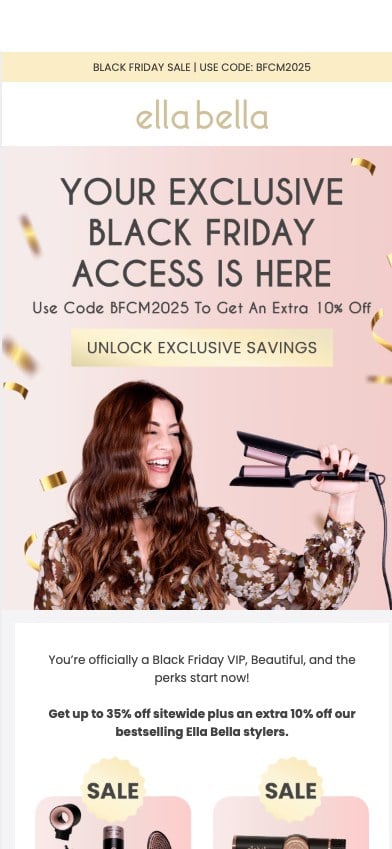
Email reinforces what people already showed interest in.
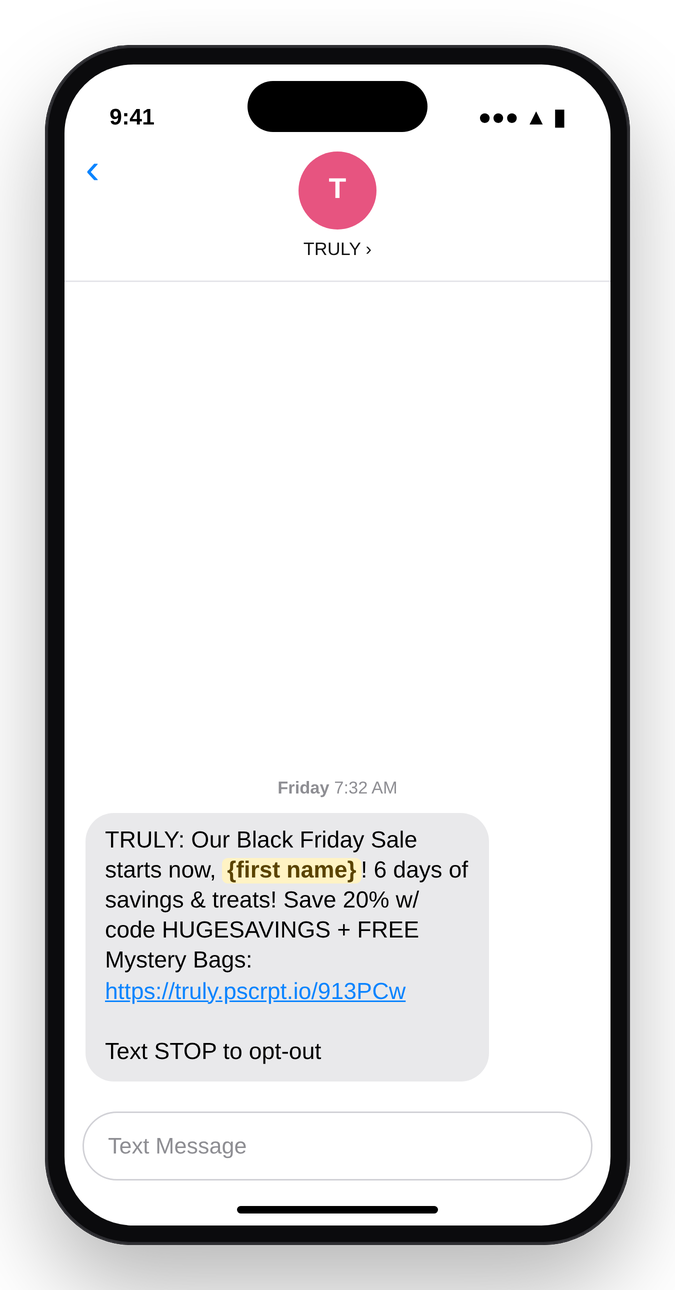
SMS is perfect for deadlines and gifting pressure.
Push captures mobile intent that would otherwise slip away.
The playbook below covers how to use these channels in the weeks after Cyber Monday, when your audience is most responsive.
TL;DR
December is a follow-through month.
Your audience is still active, your intent signals are fresh, and your list is warmer than any other time in Q4. When you keep lifecycle channels running, BFCM momentum carries on with the offers you already have.
This playbook outlines the exact campaigns, segments, and timelines behind the average 22% extra post-BFCM revenue across the brands we manage.
Download the Compact Version
Prefer the quick, visual version of this playbook?
You can grab the 1-page December Post-BFCM Checklist here:
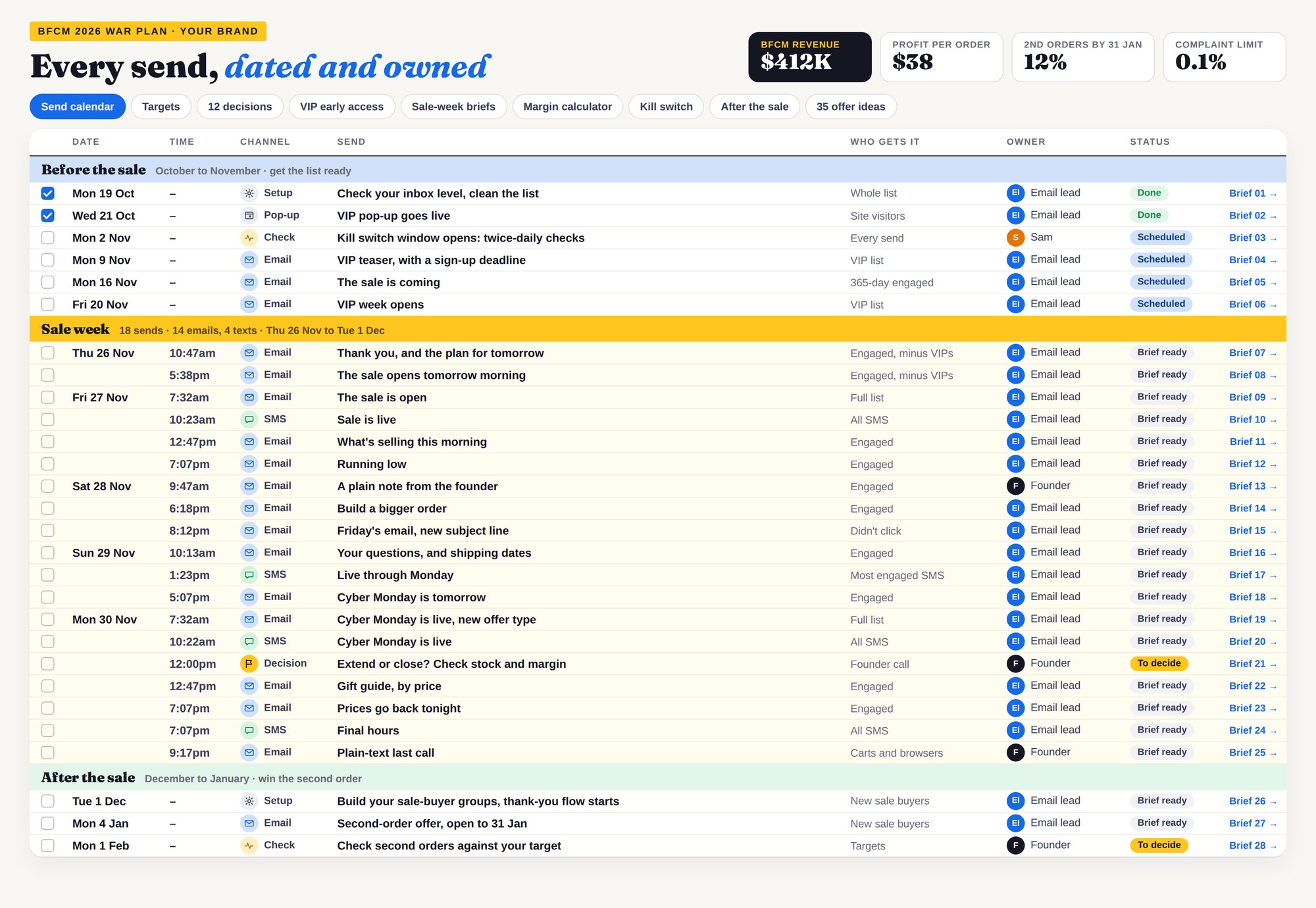
BFCM War Plan Workshop · Live on Zoom
Leave 19 Oct with your BFCM decisions made and every email and text ready to build
Bring the plan you have. We build the rest with you, live, from an offer that protects your margin to the plan that brings sale buyers back in January.

Why the Post-BFCM Window Matters More Than Most Founders Realize
Many founders treat the end of Cyber Monday as the end of the wave. Our guide to what happens after Cyber Monday shows why the weeks that follow decide whether BFCM buyers come back.
Even with a 10% YoY increase in BFCM transactions, the most meaningful trend appeared after the sale period ended. Across the brands we manage (anonymized):
- One brand grew owned-channel revenue 63% YoY (November 2025 vs November 2024)
- A fitness brand made $3.5M in email and SMS attributed revenue in November 2025, 50.78% of store revenue
- A pet brand recorded 129% YoY growth
- Several brands added 4,000+ email and 2,000+ SMS new subscribers
During BFCM 2025, we were pacing at 72% of a $1M owned-channel target for the season.
December performs well because people continue the buying journeys they started during BFCM. The audience is primed, familiar with your offers, and still comparing options.
The opportunity comes from acting on the signals they just gave you.
The Post-BFCM “Regret Window”
This is the shortest window in the entire month, but also one of the most productive.
Shoppers who browsed during BFCM often circle back within 48–72 hours. The BFCM countdown pressure is gone and the products are still top of mind. Engagement rates here are unusually strong, especially among abandoners and high-intent clickers.
Plays that work well:
“You Missed It” or “Last Chance (Just for You)”
A short, targeted extension for subscribers who engaged during BFCM campaigns. Announce it as a real, short window, as covered in our Cyber Monday strategies.
“Your Favourites Are Still Available”
Surface specific products they viewed or clicked.
A plain-text founder note
Short, direct, and aimed at high-AOV abandoners who were close to purchasing.
This window captures the people who needed more time and less pressure.
The Cyber Week Follow-Up
Once regret-driven purchases taper, attention shifts toward warming the new subscribers and rebalancing brand perception after a discount-heavy period.
What works here:
A no-discount value email
Reintroduce the core value of the product and rebuild margin expectations.
Early-December Bestsellers
Show what people are buying right now. It helps orient new subscribers.
UGC-heavy proof drops
First-time BFCM buyers respond well to reassurance and real customer experiences.
This stretch is about rebuilding connections and stabilizing engagement before gifting ramps.
Green Monday & the Gifting Window
Green Monday falls on Monday 14 December in 2026 and consistently sits among the biggest shopping days of December.
Shoppers now fall into two buckets: people who intentionally waited, and people who are realizing they still have gifts to sort out.
Recommended plays:
- “Restocked for Gifting” campaigns
- “Still Time to Ship” reminders with clear timelines
- Bundles and upgrade paths that simplify gifting
- Bestsellers pulled from the prior week’s data
People want fast, simple solutions here. Campaigns that reduce decision friction perform best.
The Procrastinator Window (15 to 19 December)
This period is driven by urgency. Shoppers are trying to secure gifts before shipping deadlines close. In November 2025, a fitness equipment brand we work with found that urgency around low stock and expiring access consistently outperformed generic discount framing.
Essential campaigns:
- “It’s Not Too Late” messaging
- Clear shipping cutoff reminders
- Expedited shipping options
- A quick founder note checking in (“Still want this in time?”)
This is where clarity matters as much as persuasion.
December 2026 Dates to Plan Around
Cyber Monday is 30 November in 2026, Giving Tuesday is Tuesday 1 December and Green Monday is Monday 14 December. For delivery before Christmas in the lower 48 states, USPS recommends shipping by 17 December for Ground Advantage and First-Class Mail, 18 December for Priority Mail and 19 December for Priority Mail Express. FedEx and UPS publish their own last days to ship, so check your carrier’s dates before you write cutoff reminders, then switch gift messaging to gift cards once the last one passes. Adobe counted 25 days in the 2025 holiday season when US shoppers spent more than $4 billion online, up from 18 days in 2024 (Adobe).
How to Use Your New BFCM List (Segmentation Guide)
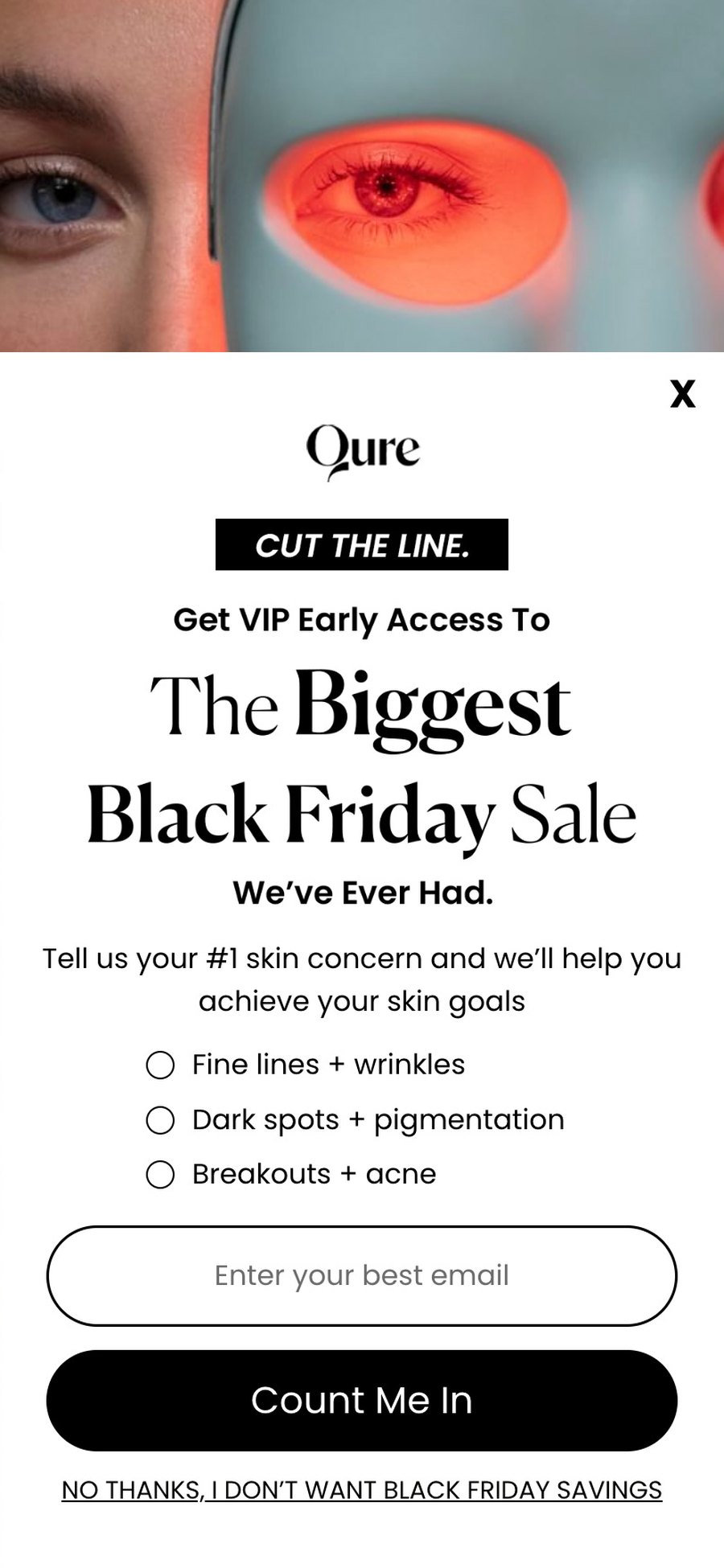
BFCM brings in a very specific mix of subscribers: first-time buyers, deal hunters, cart abandoners, people who browsed heavily, and shoppers who were curious but not convinced. Treating them all the same creates flat performance. December works best when you speak to each group based on the intent they already showed.
Below is the segmentation approach we use across most 8 to 9 figure brands in this period. It stays easy to run as long as the logic is clear.
1. First-Time BFCM Buyers
These customers already crossed the trust gap. They bought from you once, and their attention is still warm. December is the point where many of them decide whether your brand becomes part of their routine or remains a one-off purchase.
What helps them move forward:
• recommendations that naturally follow what they bought
• cross-sells they can use right away
• UGC or reviews that reinforce they chose well
Give them the next step that already makes sense based on their first purchase.
2. Deal-Only Signups
This group came in for the sale and hasn’t heard the brand story yet. Most have yet to form an opinion of the brand. December is a clean runway to build that connection without needing another discount. Our breakdown of BFCM offers that work before and after Black Friday covers when an offer still makes sense.
What builds trust here:
• a simple founder note about why the brand exists
• the product benefits framed around real-life use
• value-focused education that carries them past the deal-first mindset
You’re shifting their understanding of the brand so they see reasons to buy outside of seasonal offers.
3. Cart Abandoners
This is your clearest signal of intent. They went deep enough into the decision to pick an item and move toward checkout. By December, many of them are still undecided.
What tends to work best:
• a concise reminder in plain text
• a nudge toward a bestseller if the original item didn’t convert
• a small incentive when margin allows and the order value is meaningful
These shoppers need clarity and a reminder that the product they wanted is still available.
4. High-Intent Browsers
These are the clickers, product viewers, and people who hovered close to the point of buying. They appeared throughout BFCM, and their interest often carries into December.
What helps them choose:
• “Popular this week”
• restock notices
• curated bundles that reduce decision friction
They already did the research; they just haven’t acted. These prompts help them finish the journey without pressure.
Why this segmentation matters
December only performs well when campaigns match the kind of intent you collected during BFCM. Different behaviors call for different messages. When you apply this segmentation, December becomes its own revenue layer, built around the signals your audience already showed you.
Want Us To Map This Using Your Actual Segments?
If you’re not sure how to apply these segments to your own list, or you want us to design the full December plan for you, you can book a retention audit below.
Beyond Email: How to Layer SMS, Push, and Retargeting Into December
Email does most of the heavy lifting, but December rarely belongs to a single channel. Shoppers bounce between mobile, inbox, search, and social while comparing options and rushing through deadlines. The brands that convert best make each channel pick up where the last one left off.
Here’s how we structure the rest of the stack so each channel supports the others.
SMS: The channel that moves people when timing matters
December buyers skim. They don’t always read. They want quick clarity on:
• shipping cutoffs
• whether an item will arrive on time
• low inventory
• restocks
SMS is built for this. The CTR is high, the friction is low, and a single line can recover a purchase someone meant to make earlier. During BFCM 2025, shoppers who got messages from the same brand by both email and text placed 11% more orders, according to Klaviyo.
Keep SMS for these quick decision points and leave the longer story to email.
Push: Your fastest path back to mobile intent
Push shines when people are browsing on their phones in short bursts: commuting, walking between meetings, scrolling before bed. These are moments where intent is high but attention span is short. Smartphones drove 56.4% of US online holiday spend in the 2025 season and 66.5% on Christmas Day, according to Adobe.
Use push notifications for:
• restocks
• items people viewed repeatedly
• reminders tied to shipping timelines
• inventory updates
These prompts often recover revenue that email timing alone can’t reach. Across the push programs we ran in 2025, click-through rates sat at 15 to 22%.
Retargeting: A safety net for all the traffic you earned during BFCM
Your site collected a huge amount of high-quality traffic during BFCM. Retargeting helps you turn that attention into real December revenue by meeting people where they already spend time.
Keep the creative simple and practical:
• “Arrives before Christmas”
• “Still need a gift?”
• “Ships today”
Keep these ads short and clear. Our Google Ads BFCM strategy covers the paid side in more detail.
Treat December as a Follow-Through Month
December is a follow-through month. Your audience tells you what they want through their clicks, opens, views, and carts.
Brands that keep the buying journey going through December build on what they started during BFCM.
Your segments carry clearer intent now than at any other point in Q4.
Use this window well and you can work the signals already in motion with the offers you already have.
Want a Done-For-You December Plan?
If you’d like your December retention strategy mapped around your actual segments, behavior data, and revenue goals, you can book a retention audit.
FAQ
1. Should DTC brands keep emailing after BFCM?
Yes. The 7–14 days after Cyber Monday consistently perform well because shoppers are still in decision mode.
2. What is the “regret window” after BFCM?
It’s the short period when non-buyers reconsider their choice and often return to purchase.
3. How should I segment new BFCM subscribers?
Break them into four groups: first-time buyers, deal-only signups, cart abandoners, and high-intent browsers.
4. What should I send after Cyber Monday?
A targeted “Last Chance” reminder for engaged non-buyers, followed by a value-based email.
5. Do I need more offers in December?
Not necessarily. Gifting guides, bestsellers, and deadline-driven reminders often convert well without discounts.
6. How do I increase LTV after BFCM?
Speed up second purchases with cross-sells, UGC, and personalized recommendations.


